
01Geography
The Only Capital Bordering Two Sovereign States
Bratislava is the only national capital in the world that shares a border with two independent countries — Austria to the west and Hungary to the south.
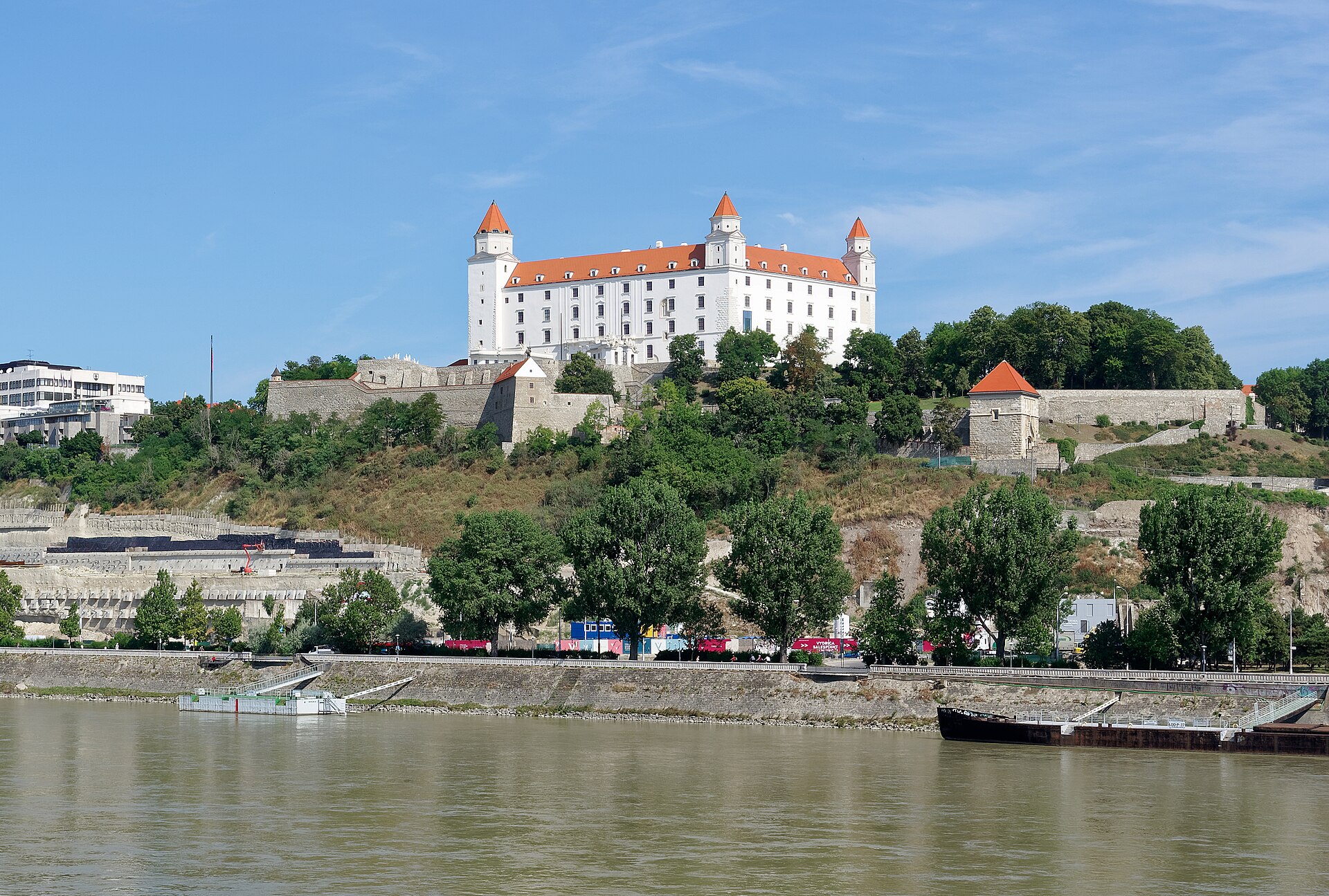
The Congress has begun
September 2 — 6 · 2026
A five-day gathering of the international curling community on the banks of the Danube — hosted beneath the four white towers of Bratislava Castle.
Scroll to ExploreDear delegates, sports enthusiasts, and distinguished guests,
it is a tremendous honor for me to welcome you to the World Curling Congress 2026.
This year, our global community is coming together to shape the future of our beloved sport. Curling is more than just a game — it's about precision, strategy, respect, and a strong sense of fair play that unites us across continents.
This Congress will be exceptionally important and groundbreaking for all of us. We are about to witness one of the key events — the election of the new president of the World Curling Federation. I believe this decision will bring strong leadership, new energy, and a clear vision that will set the course for our sport in the coming years.
Our shared goal remains to create a space for open dialogue, the sharing of innovations, and the strengthening of cooperation among all national federations. I believe that the discussions and decisions awaiting us during the Congress will take curling another step forward.
I wish you an inspiring Congress full of successful meetings and constructive ideas.
Welcome to Slovakia.
Bratislava is the only national capital in the world that shares a border with two independent countries — Austria to the west and Hungary to the south.
The unmistakable UFO observation deck crowns the SNP Bridge above the Danube — a Space-Age silhouette that has come to define the modern skyline.
For nearly three centuries Bratislava served as the coronation city of the Kingdom of Hungary — eleven kings and queens were crowned within its walls.
Bratislava is the only European capital with its own commercial vineyards inside the city limits — the Small Carpathian wine region begins where the tram lines end.
A six-year-old Wolfgang Amadeus Mozart gave one of his earliest public concerts at Pálffy Palace in 1762 — the building still stands in the Old Town today.
Vienna sits just 55 kilometres upriver — making Bratislava and Vienna the two closest capital cities in the world, connected by road, rail and even hydrofoil.
First recorded in 907 as Brezalauspurc, the settlement beneath the castle hill grew from a Celtic oppidum and a Roman frontier post into one of the most consequential cities of the Habsburg realm.
When the Ottomans took Buda in 1536, the crown, the court and the Hungarian diet all retreated up the Danube to Pressburg. From 1563 to 1830 the city served as the coronation capital of the Kingdom of Hungary — eleven kings, eight queens and one prince consort were anointed inside St. Martin's Cathedral, their processions winding between the castle and the coronation hill.
The Enlightenment courts of Maria Theresa transformed Pressburg into a city of palaces and salons; a young Haydn conducted here, Beethoven dedicated sonatas to its patrons, and a six-year-old Mozart gave one of his earliest public concerts at Pálffy Palace in 1762.
The nineteenth century brought the first permanent bridge across the Danube and Central Europe's first horse-drawn railway. In 1919 the city took its Slovak name, Bratislava; in 1993 it became the capital of a new sovereign state — the youngest capital of an old European nation.
Today the same streets carry a different rhythm: contemporary galleries nestle beside baroque palaces, riverside promenades stretch toward the vineyards of the Little Carpathians, and the Danube — Europe's most storied river — remains the city's silver thread.
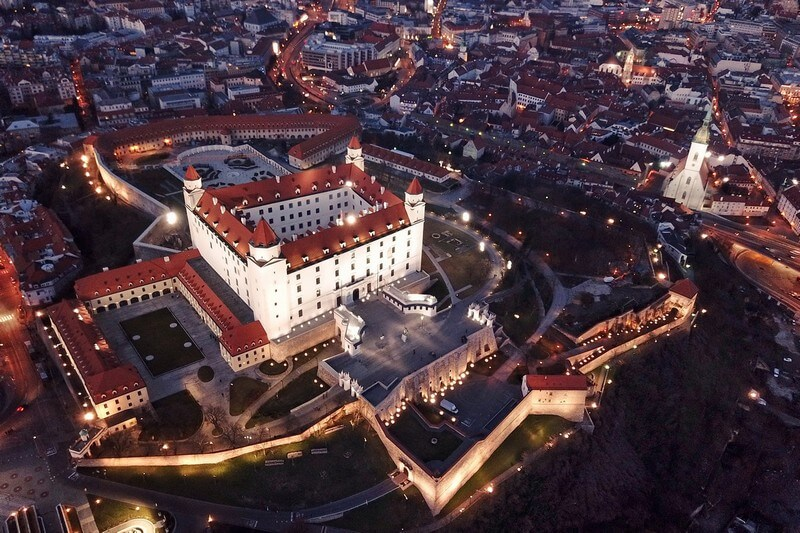
Hodžovo námestie 2, 811 06 Bratislava — all Congress sessions are hosted at the Crowne Plaza, moments on foot from the Presidential Palace, Michael's Gate and the Old Town.
Five evenings, one river, and a farewell in the hotel. Select a day below to preview the route from the hotel on the map that follows.
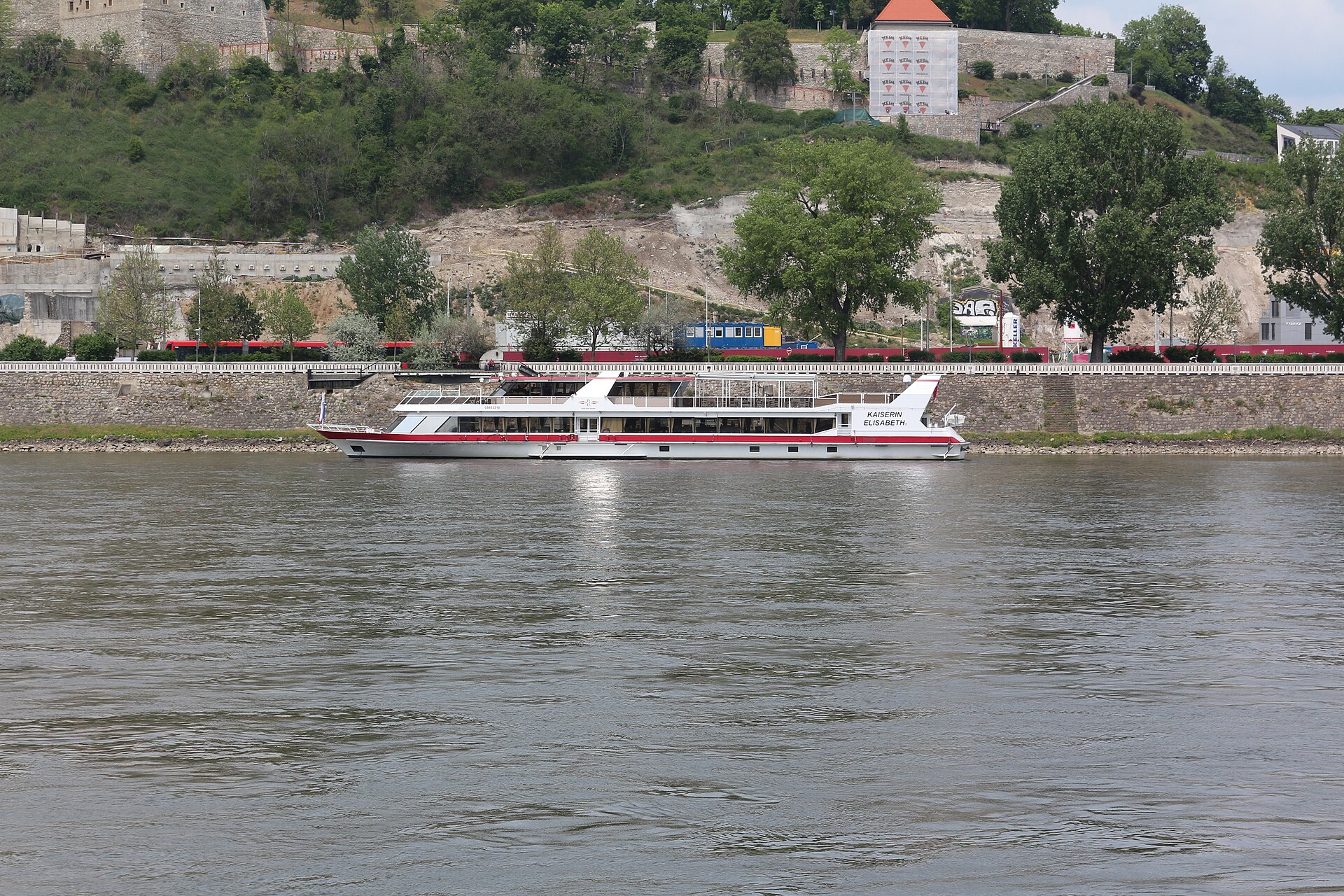
Celebrate your arrival in Bratislava aboard the ISS Danube River Cruise, surrounded by scenic evening views of the city skyline.
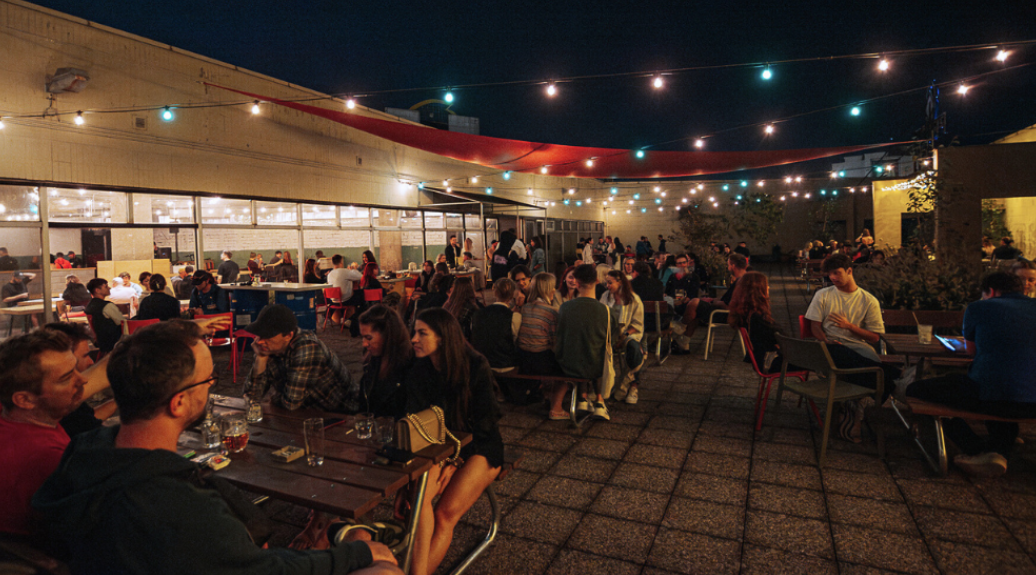
A curated evening of Slovak folklore, cuisine, and craft at Kácečko — a short stroll from the hotel through the heart of the city.
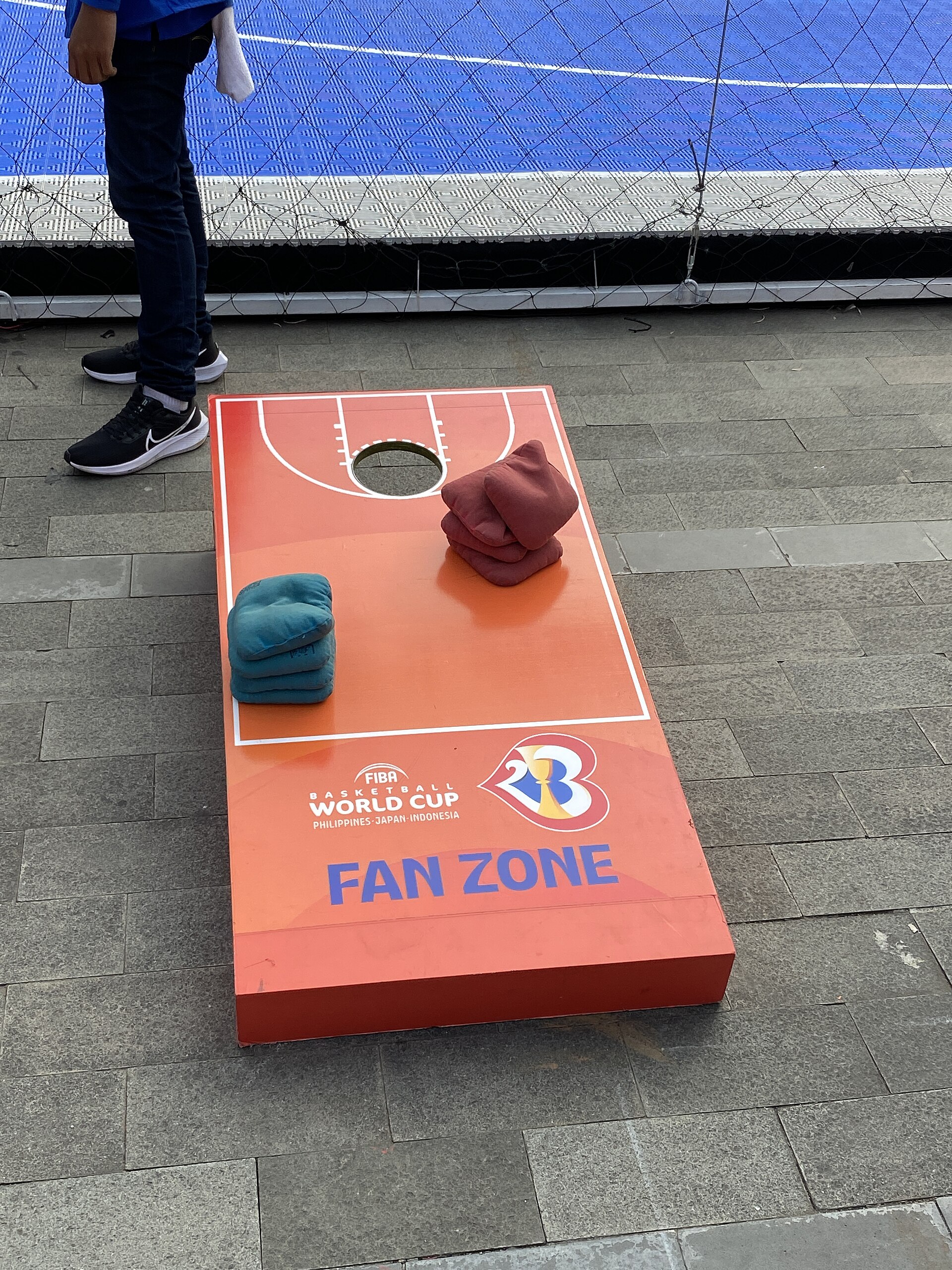
A relaxed evening of cornhole on the Crowne Plaza terrace — cocktails, laughter, and a leaderboard with rather serious stakes.
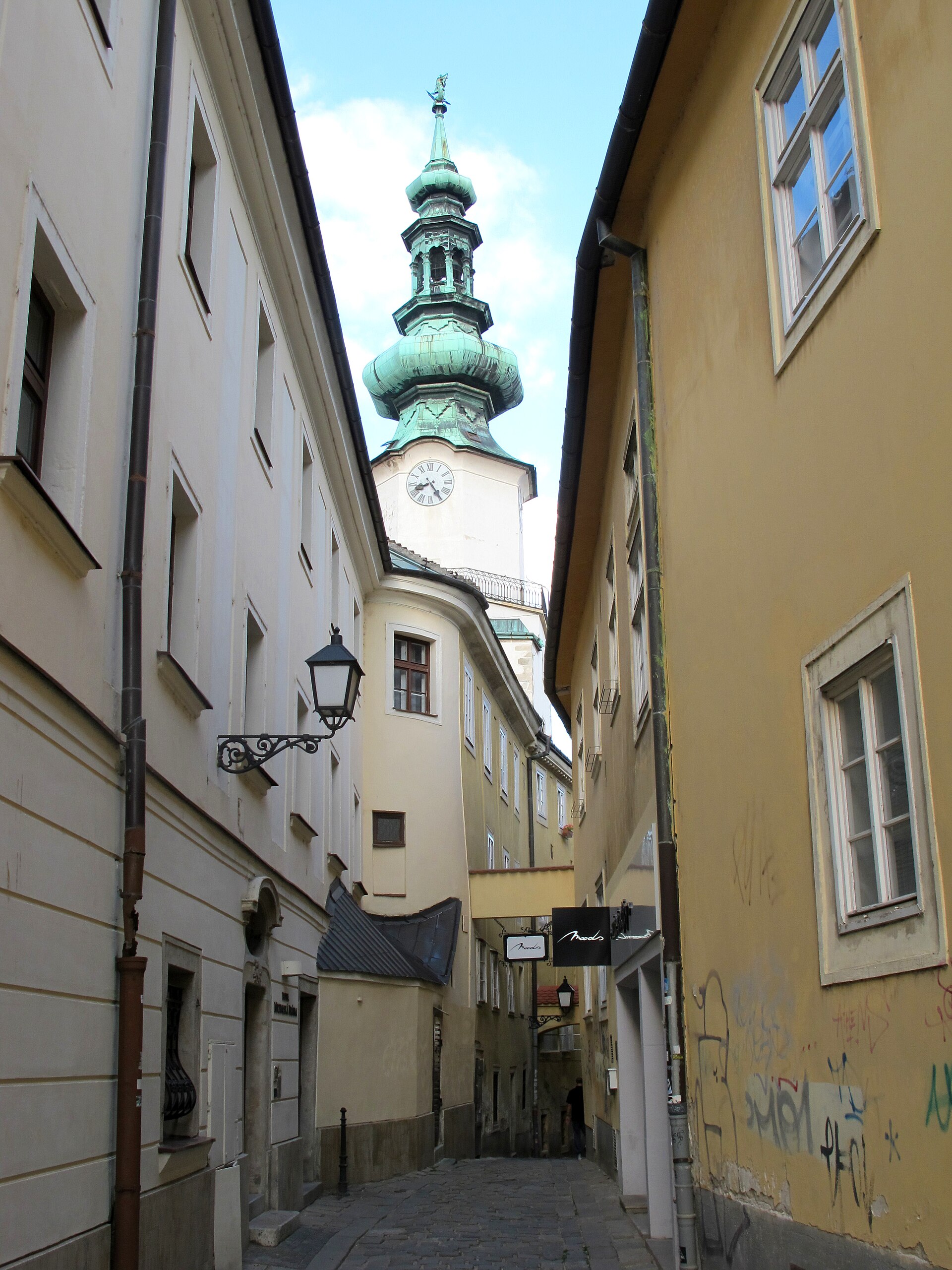
A free day to explore the host city — from the medieval lanes of the Old Town to the pastel façade of the Blue Church.
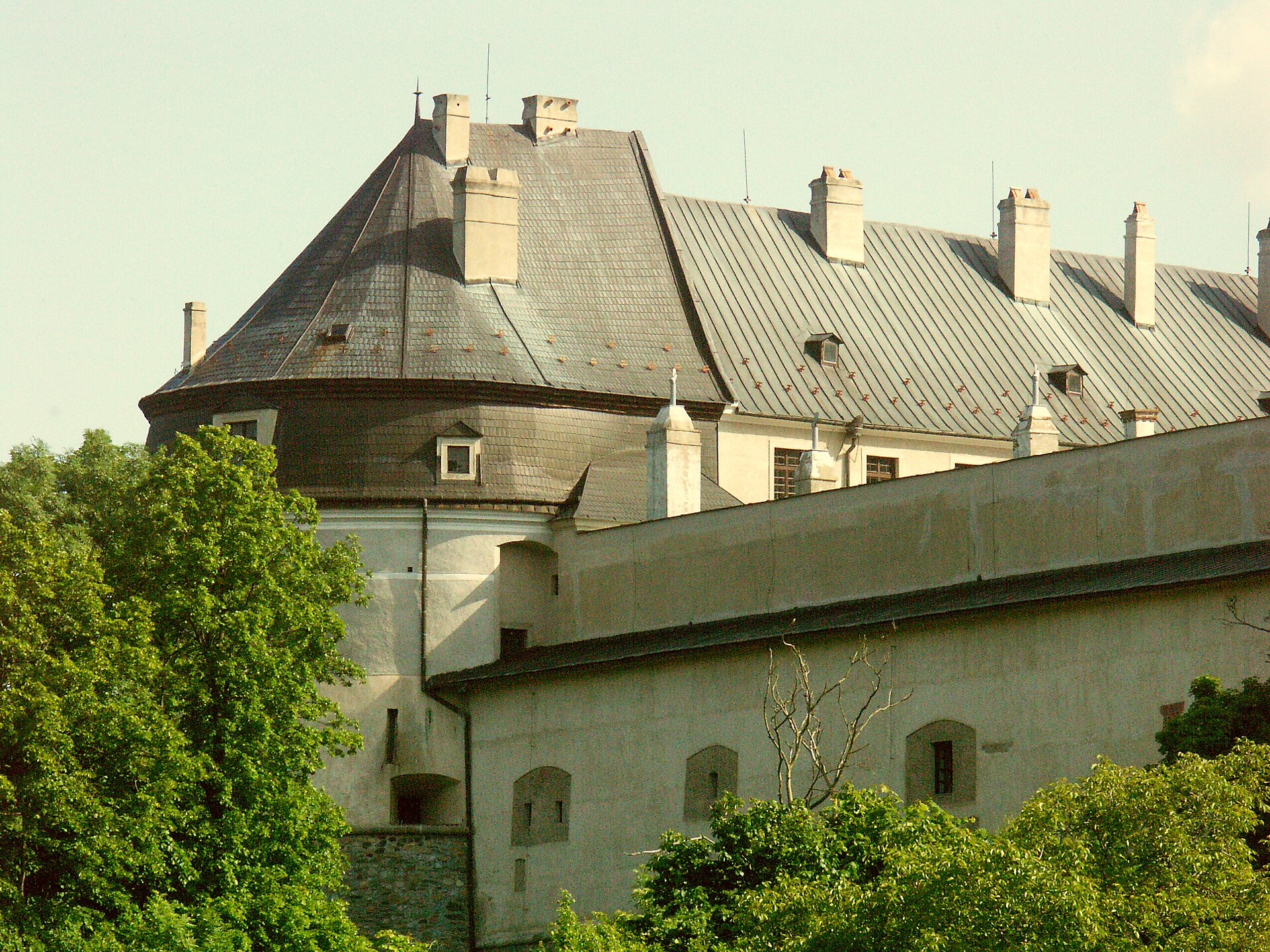
Coaches depart the hotel at 17:00 for a farewell dinner within the ramparts of Červený Kameň — a Renaissance stronghold in the Little Carpathians. Guided castle tour: €11 per person.
A curated selection of the restaurants, bars and cafés our team returns to — all within easy reach of the congress hotel. Select a card to read more.








We are very much looking forward to seeing you and are ready to do everything we can to ensure that your stay and participation in the conference go smoothly. If you have any questions, concerns, or organizational requests, please do not hesitate to contact the host organiser.
We look forward to seeing you!